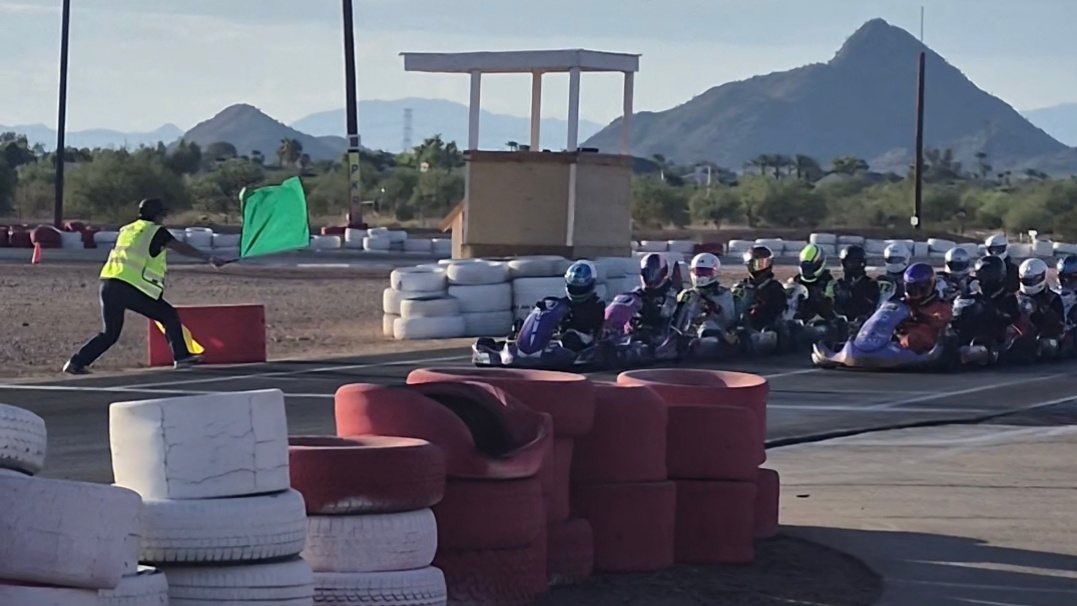
The race may be scheduled for ten or fifteen laps, but in many cases, the battle is decided before the first corner. Those opening seconds—barely a hundred feet—are where nerves, reaction time, and precision meet in a high-stakes dance. A strong start can mean clean air and control over the pace; a poor one often forces you to fight your way forward, burning energy and taking risks that could have been avoided.
The Calm Before the Storm
Sitting on the grid, the world feels smaller. The noise of engines is a constant backdrop, but what matters is the fraction of a second between the green flag and your response. Drivers who can manage their breathing and keep their minds locked in are already a step ahead. Visualization helps—imagine the launch, the clutch release, the kart surging forward. This mental rehearsal primes your body to react instantly when the race begins.

Precision in Motion
Slamming the throttle might feel instinctive, but in karting, that can be a costly mistake. A smooth, controlled squeeze of the accelerator keeps the rear tires hooked up, converting every bit of engine torque into forward motion. The goal isn’t just to move quickly—it’s to move efficiently. Every unnecessary twitch of the steering wheel or burst of wheelspin robs you of momentum.
The First Corner Factor
Turn one is a magnet for chaos. If you’re starting inside, defend your line early but keep braking zones clean; outside starters should anticipate the cutback, aiming to carry more speed out of the corner rather than forcing a risky move mid-turn. Confidence matters here—hesitation can open the door for half the grid to slip by.

Practice Like It’s Race Day
Starts aren’t something to leave to instinct. Repetition under realistic conditions sharpens reaction time and builds the muscle memory that makes great starts look effortless. The best drivers treat every practice launch as though it’s for a championship.
Mastering the first hundred feet after a kart race starts is a blend of mental focus, technical control, and sharp decision-making. Get those elements working together, and you’ll consistently find yourself where you want to be—at the front.